Selecting the right hardwood floor is one of the most impactful decisions you can make for your home. The right choice enhances your interior design, adds lasting value to your property, and provides a surface that can be enjoyed for generations. This guide walks you through the key factors to consider before making your investment.
Consider Your Lifestyle
Before choosing a species or finish, take an honest look at how your home is used day to day. High foot traffic areas such as hallways and living rooms demand harder, more durable wood species. If you have pets, consider flooring with a textured or distressed finish that can disguise scratches more easily. Homes with young children benefit from matte finishes that do not show scuff marks as readily. Moisture exposure is another critical factor — kitchens and bathrooms require wood species or engineered options that can handle humidity fluctuations without warping.
Wood Species Matter
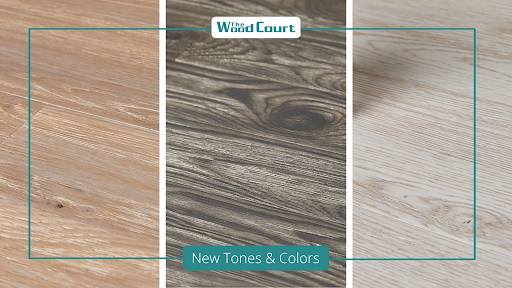
The species of wood you choose determines the hardness, color, and grain pattern of your floor. Oak is the most versatile and popular choice, offering a balance of durability and visual warmth that suits both traditional and modern interiors. Walnut provides a rich, dark aesthetic with dramatic grain patterns that lend an air of luxury. Teak is naturally moisture-resistant and incredibly durable, making it ideal for outdoor areas, bathrooms, and spaces where water exposure is a concern. Each species brings its own personality to a room, so take the time to see samples in your own lighting before deciding.
Engineered vs Solid
Understanding the difference between engineered and solid hardwood is essential, especially in a climate like Egypt's. Engineered flooring consists of a real hardwood top layer bonded to multiple layers of plywood or high-density fiberboard. This cross-layered construction makes it far more dimensionally stable than solid wood, meaning it expands and contracts less with temperature and humidity changes. For homes in Egypt, engineered flooring is generally the better choice, offering the beauty of real wood with superior performance in warm, dry conditions.
Finish Types
The finish on your hardwood floor affects both its appearance and its practical performance. Matte finishes have become the preferred choice for modern interiors, offering a natural, understated look that hides minor imperfections and daily wear. Semi-gloss finishes provide a classic, polished appearance that works well in traditional and transitional spaces. High-gloss finishes create a formal, mirror-like surface that is undeniably elegant but requires more frequent maintenance to keep looking its best. Consider your tolerance for upkeep when selecting a sheen level.
Pattern & Layout
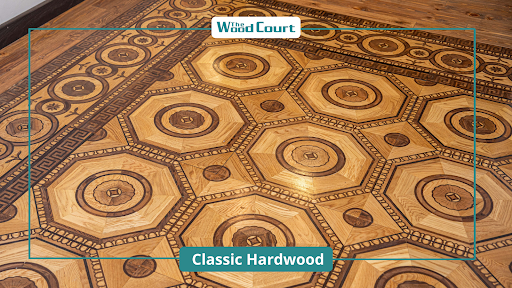
The pattern in which your planks are laid can dramatically change the character of a room. Straight plank installation is the most common and cost-effective option, creating clean, linear sight lines that suit virtually any interior style. Herringbone patterns add visual interest and a sense of tradition, making them a popular choice for formal living areas and entryways. Chevron layouts offer a more contemporary interpretation of the same geometric principle. Basket weave and parquet patterns create intricate, artistic surfaces that serve as a focal point in any space.
Budget Planning
When budgeting for hardwood flooring, it is important to think beyond the upfront cost per square meter. Quality hardwood flooring is a long-term investment that adds significant value to your property. Cheaper alternatives may save money initially but often require replacement or extensive repairs within a few years. Factor in the cost of professional installation, underlay materials, and any subfloor preparation that may be needed. A well-chosen, properly installed hardwood floor can last a lifetime, making it one of the most cost-effective home improvements you can make over the long term.
.jpg)