.jpg)
High Pressure Laminates have become one of the most popular surfacing materials in modern construction and interior design. Combining advanced manufacturing technology with virtually unlimited design possibilities, HPL offers a compelling alternative to traditional materials for both residential and commercial projects.
What is HPL
High Pressure Laminate is a composite material manufactured by layering multiple sheets of kraft paper saturated with thermosetting resin, then bonding them together under extreme heat and pressure. The top layer features a decorative sheet — which can be printed with virtually any pattern, color, or texture — protected by a clear melamine overlay that provides exceptional wear resistance. The result is a dense, rigid panel that is remarkably strong for its thickness. This manufacturing process, which involves pressures exceeding 1,000 pounds per square inch and temperatures above 130 degrees Celsius, creates a material that is fundamentally different from low-pressure laminates and far more durable.
HPL vs Traditional Wood
While natural hardwood remains the gold standard for warmth and authenticity, HPL offers several practical advantages that make it an attractive alternative in specific situations. HPL is significantly more cost-effective than premium hardwood species, making it accessible for larger projects with tighter budgets. It is highly resistant to scratches, impact, and surface abrasion, outperforming most natural woods in wear tests. HPL is also moisture-resistant, meaning it will not warp, swell, or crack in humid environments the way solid wood can. However, HPL cannot be sanded or refinished like real wood, and it does not develop the natural patina that gives hardwood its evolving character over time.
Design Versatility
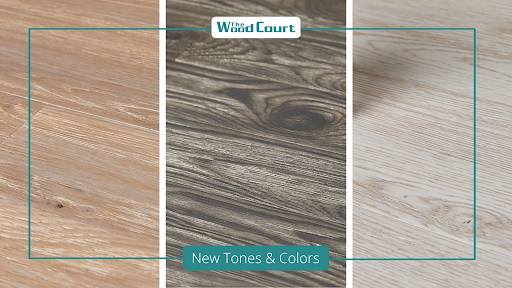
One of the greatest strengths of HPL is its extraordinary design flexibility. Modern printing and texturing technology allows HPL to convincingly replicate the appearance and tactile feel of natural wood grain, marble, stone, concrete, and countless other materials. Matte, glossy, textured, and embossed finishes are all available, giving designers an almost unlimited palette to work with. HPL can also be produced in solid colors, metallic effects, and custom patterns that would be impossible to achieve with natural materials. This versatility makes it a favorite among architects and interior designers working on projects that demand a specific aesthetic at a manageable cost.
Durability & Maintenance
HPL is engineered for longevity and ease of care. Its hard, non-porous surface resists stains from coffee, wine, ink, and common household chemicals, making cleanup as simple as wiping with a damp cloth. The material does not harbor bacteria or allergens, which makes it an excellent choice for hygienic environments such as kitchens and healthcare facilities. HPL is also highly resistant to UV fading, meaning its color and pattern remain vibrant even in spaces with significant sun exposure. With normal use and basic care, HPL surfaces can maintain their appearance for 15 to 20 years or more, representing excellent long-term value.
Best Applications
HPL excels in environments where durability and low maintenance are priorities. High-traffic commercial spaces such as retail stores, restaurants, hotels, and office buildings benefit enormously from its resistance to wear and ease of cleaning. In residential settings, HPL is particularly well-suited for kitchens, bathrooms, laundry rooms, and children's play areas where moisture and heavy use are common. It is also widely used for wall cladding, furniture surfaces, countertops, and cabinetry. For outdoor applications, specialized exterior-grade HPL panels are available that resist weathering, UV damage, and moisture penetration.
The Wood Court HPL Range
At The Wood Court, we offer a carefully curated selection of premium HPL flooring that meets the highest international standards for quality and performance. Our HPL range features realistic wood grain patterns sourced from European design studios, along with contemporary solid colors and abstract textures that suit modern interiors. Every product in our collection is rigorously tested for wear resistance, moisture performance, and colorfastness. Our team of flooring specialists can guide you through the selection process, helping you find the perfect HPL solution that balances aesthetics, performance, and budget for your specific project requirements.